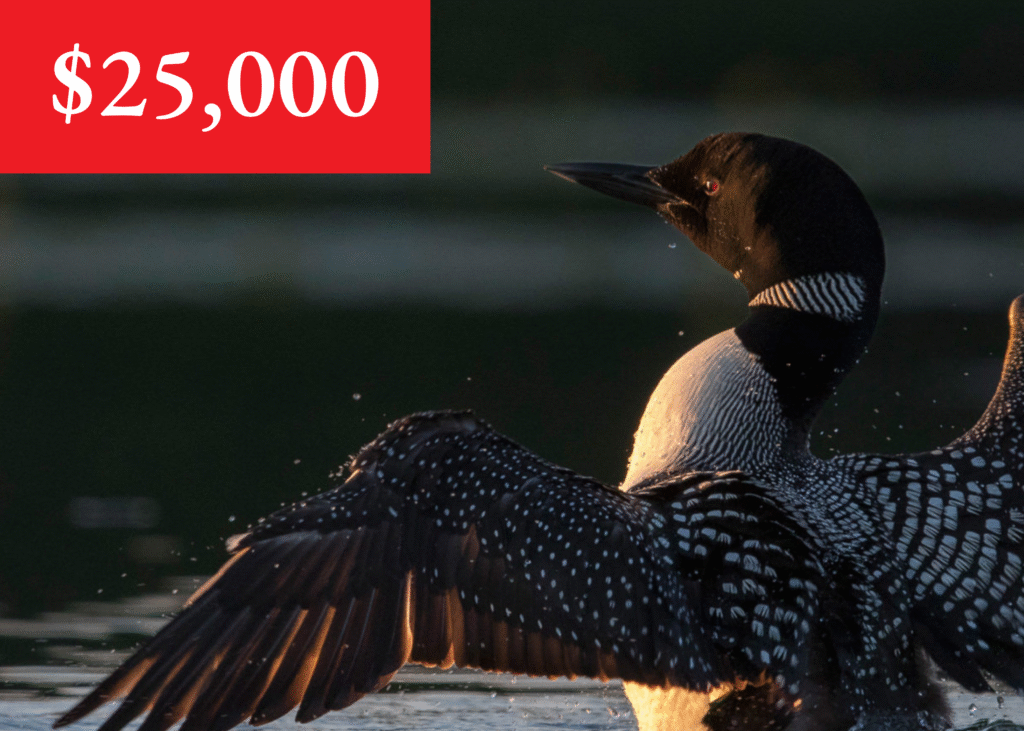
The Loon Research Ambassador Program gives you a direct way to support and engage in critical loon research across North America. At a time when loons face increasing threats—from changing water clarity to climate pressures and habitat loss, your involvement helps fund the science needed to protect them. In 2026, the National Loon Center and our partners launched high-impact research initiatives across the United States and Canada.
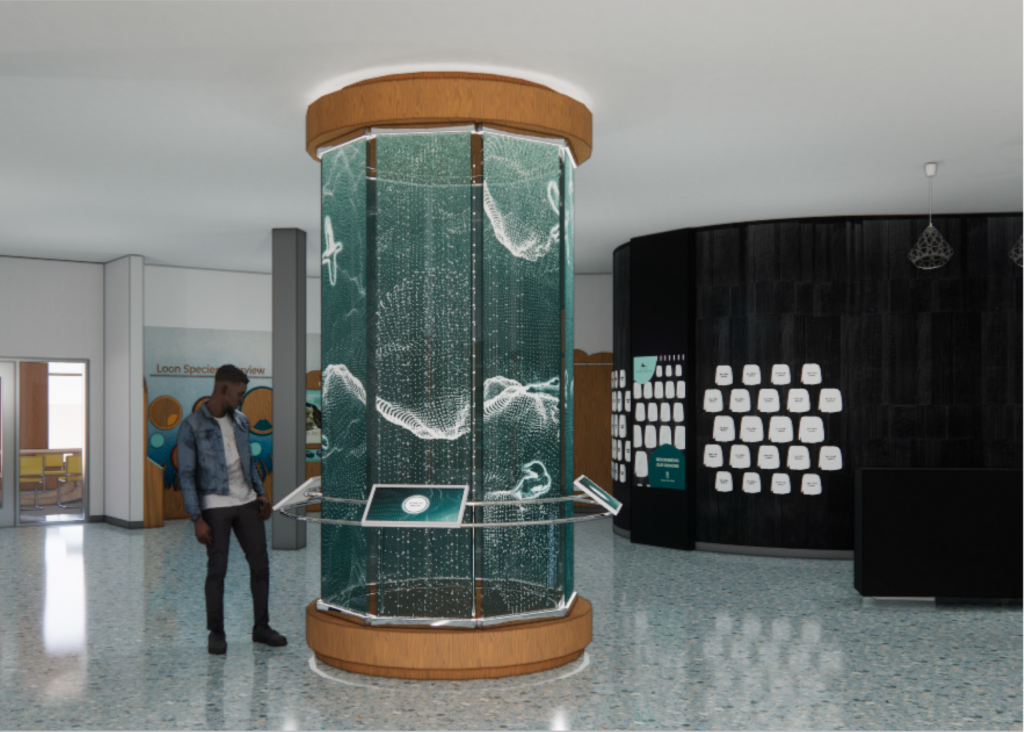
Create a lasting impact through a five-year sponsorship of an interactive research exhibit at the future National Loon Center.
Direct your investment to the 2026 research project that matters most to you.
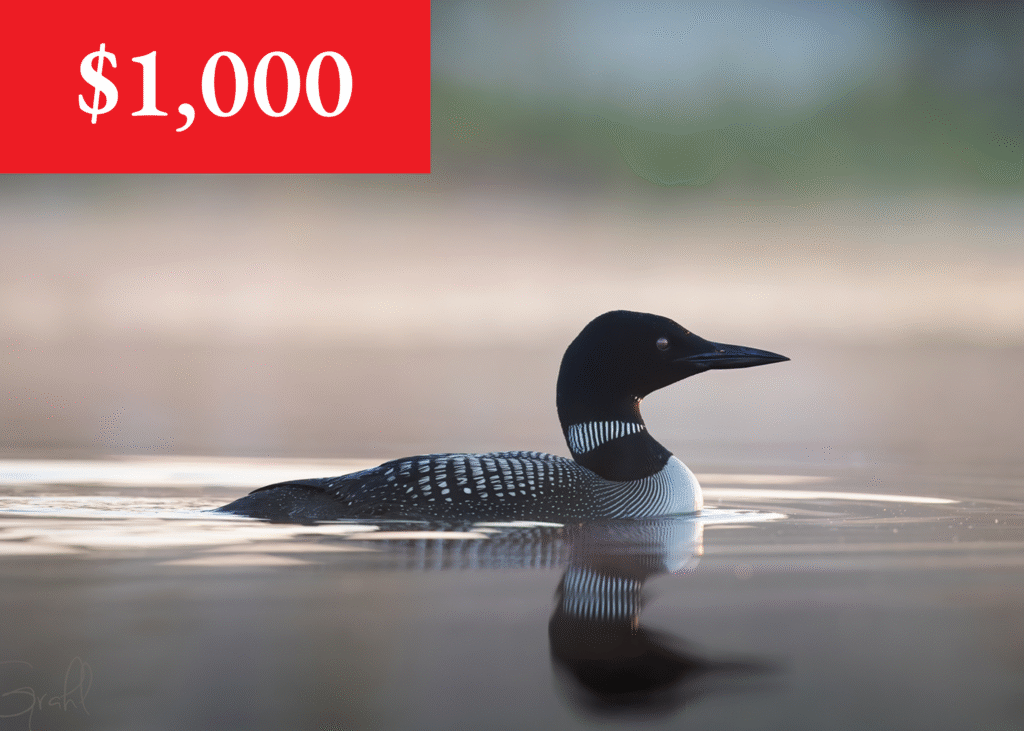
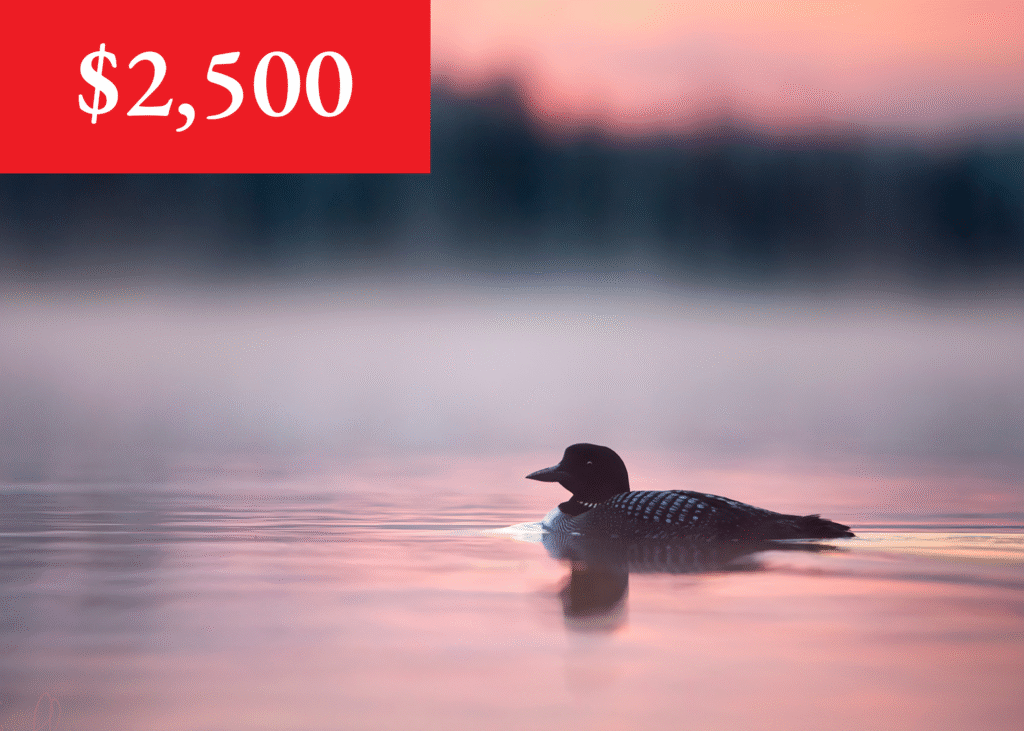
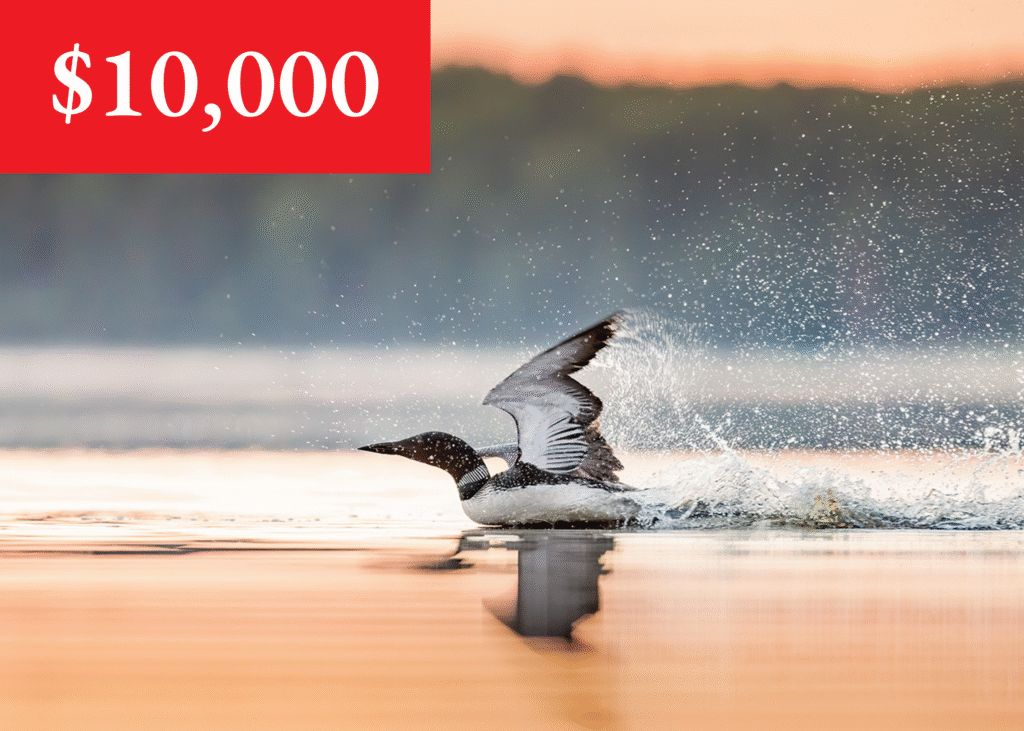
Receive updates on project progress and a high-quality framed loon print.
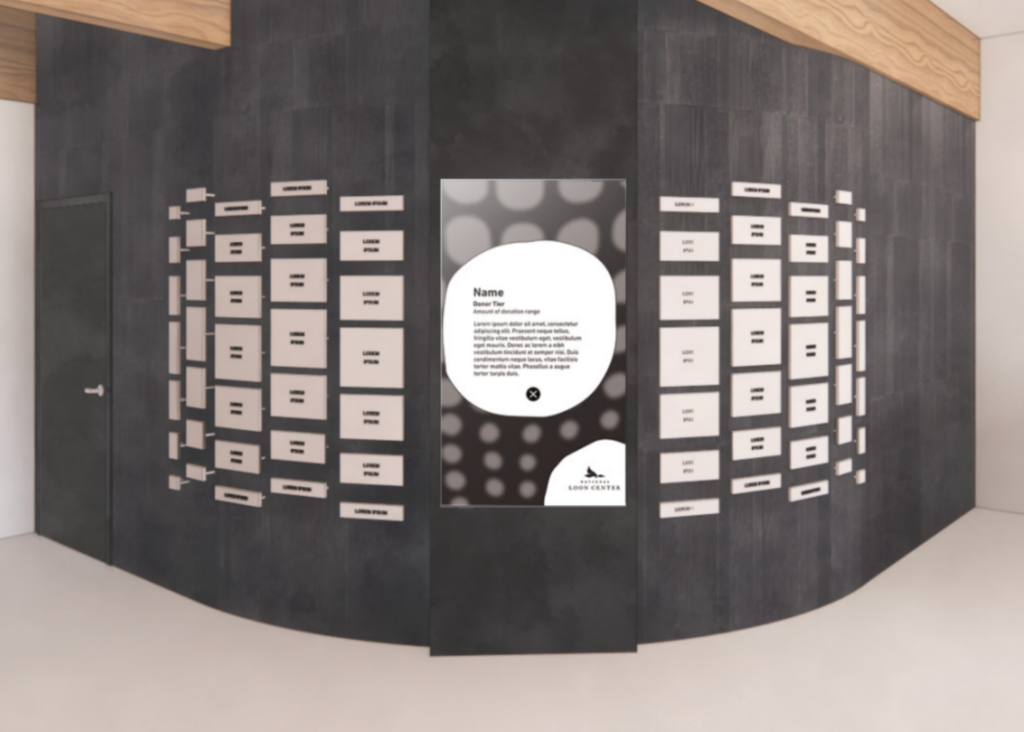
Recognition on the interior Loon Donor Wall (final name TBD).
Invitation to a grand opening event for the future National Loon Center facility.
2026 Research Projects
Common Loon Translocation Assessment – Minnesota | National Loon Center This project will assess the effectiveness of Common Loon chick translocations to restore breeding adults in southern Minnesota via surveys in southern and northern MN counties.
Common Loon Genoscape | Bird Genoscape Lab, Colorado State University The genoscape lab uses cutting-edge genomic tools to analyze genetic variation across individual loons from across their range, connecting breeding and wintering populations.
Addressing key knowledge gaps in a potential source (or sink) population of Common Loon populations East of the Continental Divide in Montana | Glacier National Park The park will test methods to extract genetic information from egg membranes within Glacier National Park and the adjacent Blackfeet Tribal Lands, expanding partnerships with the Blackfeet Nation.
Investigating the effects of water clarity on Common Loon productivity across the breeding range | Birds Canada A scientific publication will examine the indirect effects of climate change on Common Loons by investigating the impacts of declining water clarity from rain events across their southern range.
Engaging Northern Québec Communities in Loon Conservation and Lake Stewardship | QuébecOiseaux Expand monitoring coverage by recruiting new volunteers, especially First Nations communities, in northern Québec in the Canadian Lakes Loon Survey.
How Wintering Strategy Affects Diet and Causes of Mortality in Common Loons | Tulane University This innovative research will develop ways to test loons’ feathers to determine wintering habitats (marine vs. freshwater) and diet.
Developing improved tools for understanding Common Loon anatomy and performing necropsies | Tufts University The development of an e-book and video on Common Loon anatomy and necropsy techniques will aid the international loon research & educational communities.
“Dark of the Loon”: Nonbreeding Life-History, Ecology, and Mortality | Independent Biologist A scientific publication will pull together data from a 5-year intermittent study of Common Loon northern migration over the Florida Gulf Coast.
Bringing Loon Science to Life
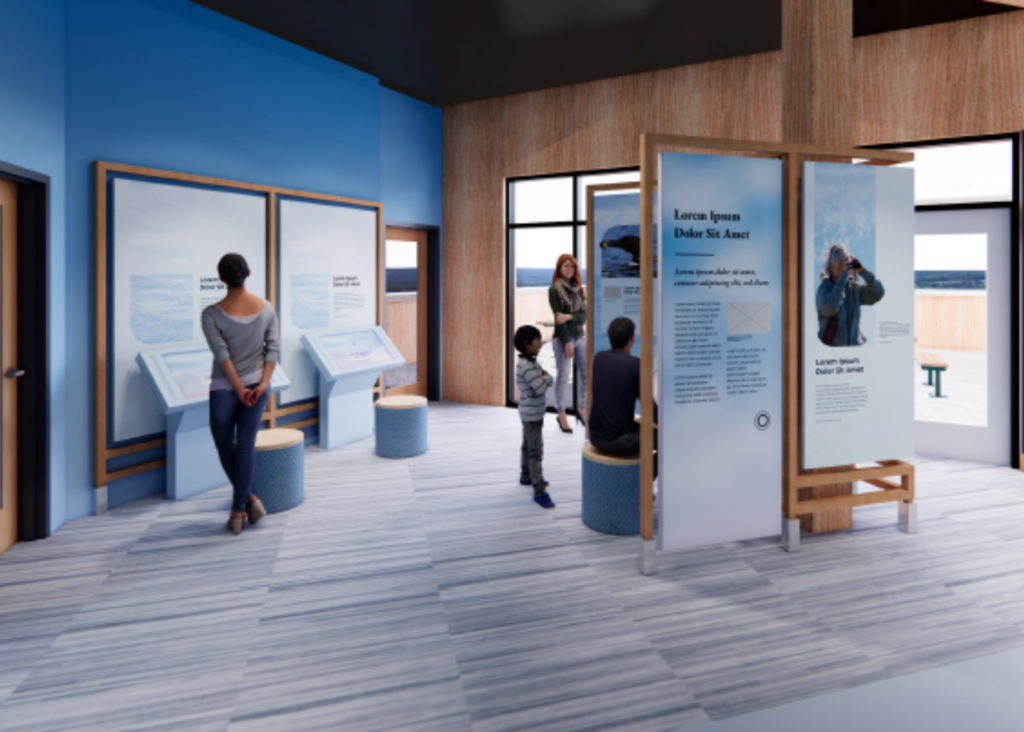
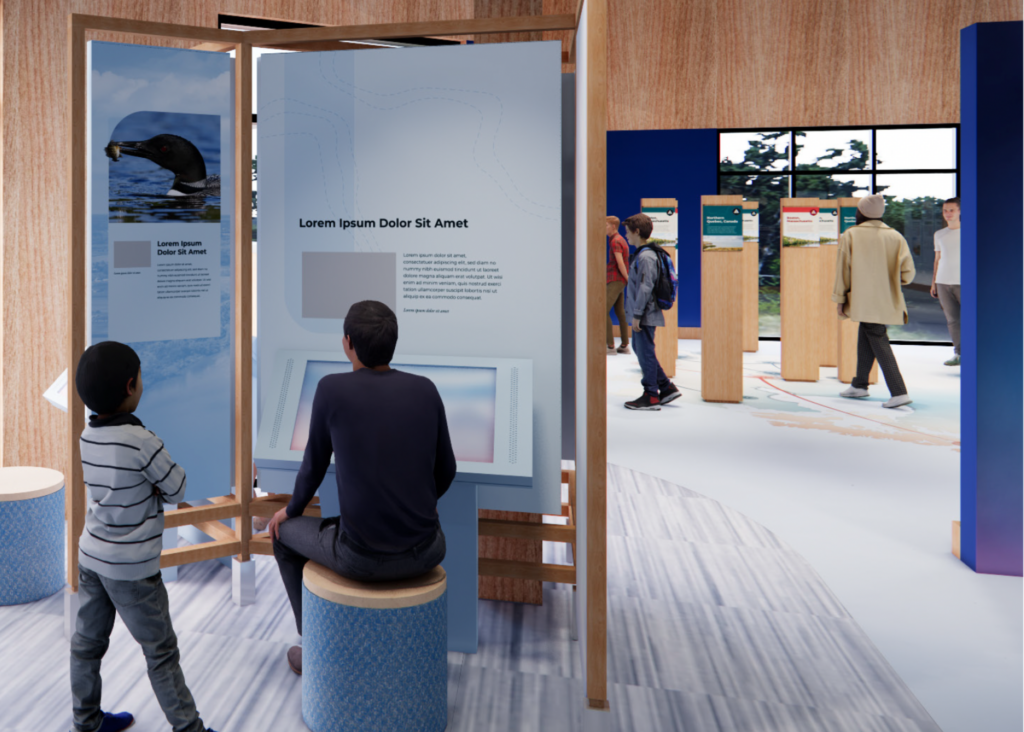
Your support does more than fund research—it helps bring it to life. Inside the future National Loon Center, visitors will explore:
Interactive research and learning stations
Real-time conservation stories and data
The science behind loon migration, health, and habitat
Your investment connects people to science—and inspires the next generation of conservation.
Honoring Those Who Lead the Way
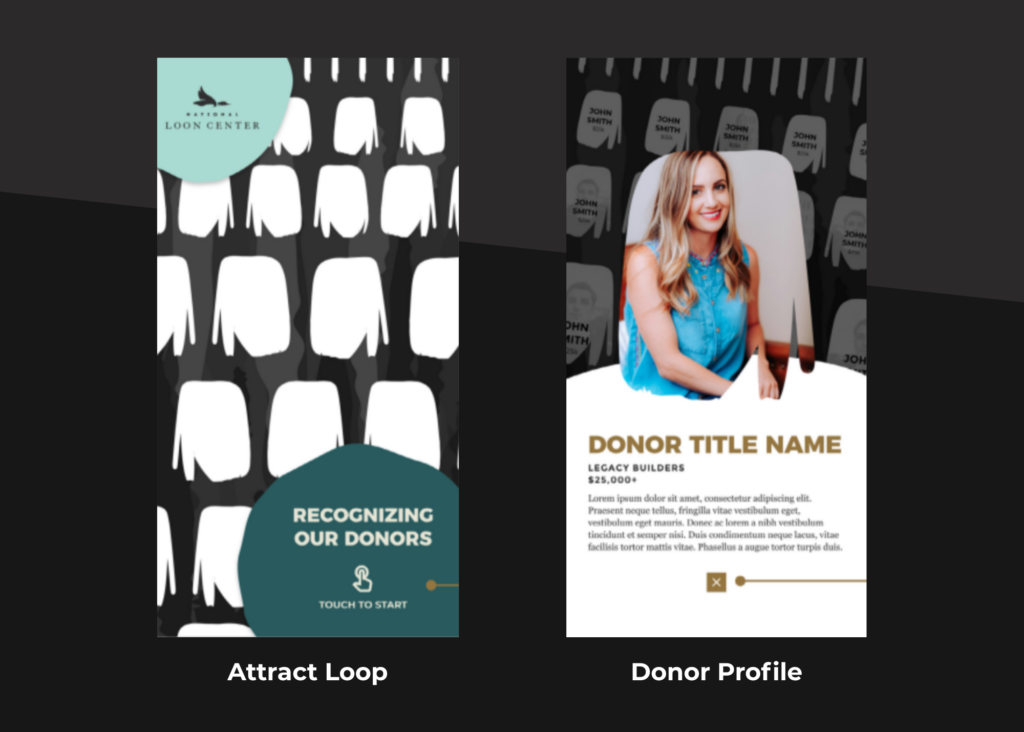
Ambassadors at leadership levels are recognized on the Loon Donor Wall, a signature feature in the Center’s lobby inspired by the striking feather pattern of the loon.
This interactive display shares the stories of those making loon conservation possible.
Thank You
Your generosity drives research, expands education, and protects loons across North America. We invite you to be part of this work.