One Loon of a Year

The National Loon Center arose as an ambitious idea proposed by citizens of Crosslake, Minnesota in 2016. In the formative years since, our founders and board of directors have worked passionately to move the vision for a world-class educational facility toward reality.

With the invaluable help of countless community supporters, tireless researchers, and dedicated volunteers, the National Loon Center achieved many goals in 2021 to have one loon of a year!

1. May 2021: Facilitated research on loon mortality

To better prevent loon mortality, we need to understand why loons die. The NLC obtained state and federal migratory bird permits to transport deceased loons found on Minnesota lakes to Dr. Arno Wuenschmann, professor of Veterinary Pathology at the University of Minnesota Veterinary Diagnostic Laboratory, who performed the loon necropsy studies. Sadly, we found that loons had perished from lead poisoning, gun shots, and probable collisions with boats or jet skis.

2. May 2021: Protected critical loon nesting habitat in Fifty Lakes, MN

With funding from the Outdoor Heritage Fund and additional support from the Fifty Lakes Fire Relief Association, the NLC acquired approximately 6 acres of land with over 2,500 feet of shoreline in Fifty Lakes. This land consists of largely undisturbed aquatic and riparian habitat that supports nesting loons and other wildlife. The pristine lakes that are protected in part by the acquired land are among the most significant loon nesting areas in the region, with at least 7 pairs of loons occupying the lakes; two of which nest in the bays directly alongside the NLC’s newly purchased land.
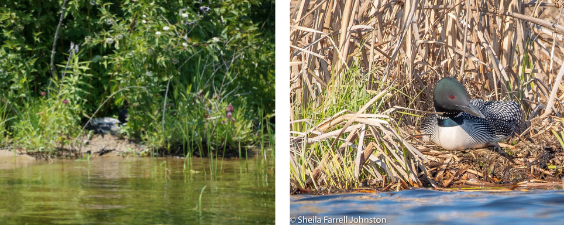
two side by side photos of common loons sitting on nests

3. June 2021: Opened The Nest

Before our state-of-the-art facility opens in 2024, we will engage and educate the public at a visitor center in Crosslake Town Square called The Nest. The Nest has already expanded awareness considerably, bringing in more than 4,000 visitors from June through November to learn about loons, lakes, and the NLC. This prominent storefront location enabled the NLC to showcase the forthcoming world-class facility, highlight its current programs and outreach efforts, and significantly expand its network of supporters and donors — critical for long-term operational sustainability. The Nest fosters community connections and hosts a mural by local wildlife photographer, Mark Harlow, realistic loon wood carvings by Laurie J. McNeil, and the Lenny the Loon book series by Mikaela Casey. We also had fun hosting an inaugural loon calling competition at the Town Square in September.
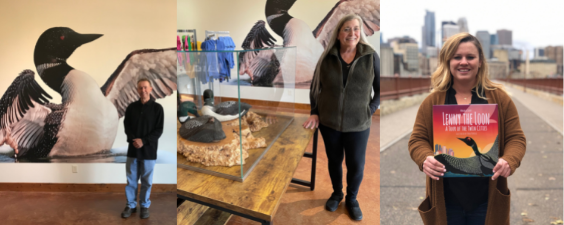
From left, Mark Harlow, Laurie J. McNeil, and Mikaela Casey

4. June 2021: Engaged in statewide partnerships
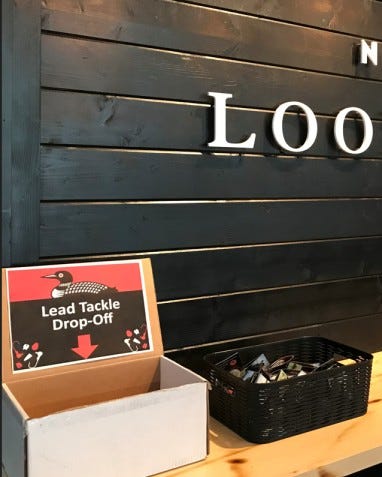
Our conservation efforts are elevated by the partnerships we’ve formed across Minnesota and the country. We are proud to join the Minnesota Department of Natural Resources and the Minnesota Pollution Control Agency in advancing the Get the Lead Out program. We delivered presentations to dozens of lake associations and community groups this summer as well as hosting a lead tackle drop off site at The Nest, which also provided visitors with free nontoxic tackle samples. We are also pleased to work with companies who prioritize conservation ethics in their business models, such as Velaasa. This year, Velaasa released a special loon edition of their Raptor athletic shoes that sends a donation towards the NLC with each pair sold.

Get National Loon Center’s stories in your inbox

Join Medium for free to get updates from this writer.Subscribe

Remember me for faster sign in

5. August 2021: Received grants to launch the Floating Classroom

A grant from the Crosslake Ideal Lions Club helped support the launch of the Floating Classroom education program and allowed the NLC to purchase a 31′ tri-toon boat. Participants will see loons from a respectful distance and learn about loon and freshwater ecology through hands-on scientific projects. A curriculum for a two-hour, on-the-lake educational program was designed with assistance from University of Minnesota graduate students. An additional grant from the Land & Waters Preservation Trust enabled the NLC to purchase water testing equipment, sample kits, and safety and mooring equipment.

6. November 2021: Hired two additional staff members

Our accomplishments this summer could not have been possible without the help and support of our wonderful volunteers and board members. The NLC was excited to add to its staff by hiring Natasha Bartolotta as the Communications and Outreach Coordinator and Mike Pluimer as the Program Operations Associate. From the establishment of The Hoot e-newsletter to the creation of an array of top-notch educational materials, Natasha and Mike have already made significant contributions to the organization.

7. November 2021: Began site enhancements at NLC’s future home

Our world-class facility will open in 2024 at the U.S. Army Corps of Engineers — Cross Lake Recreation Area in Crosslake, MN. We are thankful to our lead architectural and engineering partner, Widseth, and MN Boardwalks for the completion of sidewalks, boardwalks, and floating mooring stations. These stations will provide safe lake access to the recreating public and NLC visitors while protecting the shoreline from erosion. These improvements are made possible by the Minnesota Environment & Natural Resources Trust Fund. Additional site enhancements are forthcoming, as NLC also worked with Widseth to create outdoor exhibits featuring interactive video content and infographics that are set to be installed at the site in the spring of 2022.

8. November 2021: Completed shoreline restoration project

Shoreline along Cross Lake near the popular campground has degraded over decades due to heavy boat and foot traffic. Native vegetation has been planted to restore and maintain the shoreline ecosystem, providing habitat for native species to return. The restoration effort also anticipated visitor needs and the boardwalks and mooring stations are designed to improve the visitor experience while protecting the shoreline.

9. December 2021: Coordinated with DNR and fire department on loon rescue

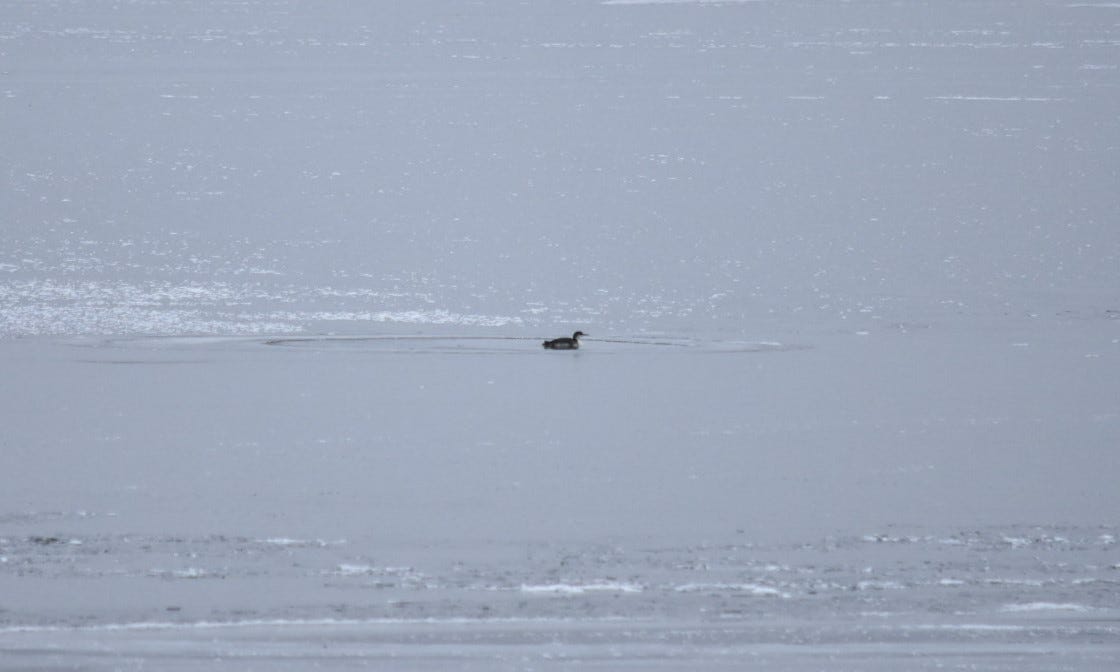
After receiving a tip from local photographer, Mark Harlow, that a loon might be iced-in on Cross Lake, the National Loon Center engaged regional winter rescue experts as well as the Minnesota DNR and Crosslake Volunteer Fire Department to consider a rescue attempt. The Crosslake Fire Department ultimately captured the iced-in loon and it was transported to the Wild and Free wildlife rehab center in Garrison, MN for examination. Unfortunately, the loon had an untreatable wing injury likely resulting from a boat strike. With significant media attention surrounding loon rescues in northern Minnesota, the National Loon Center wrote a comprehensive and well-received educational piece on the complexities of loon rescues. The Cross Lake loon brought awareness towards safe boating practices and loon protection efforts. With many state and national partners, we aim to connect and strengthen loon rescue and rehab networks in 2022.
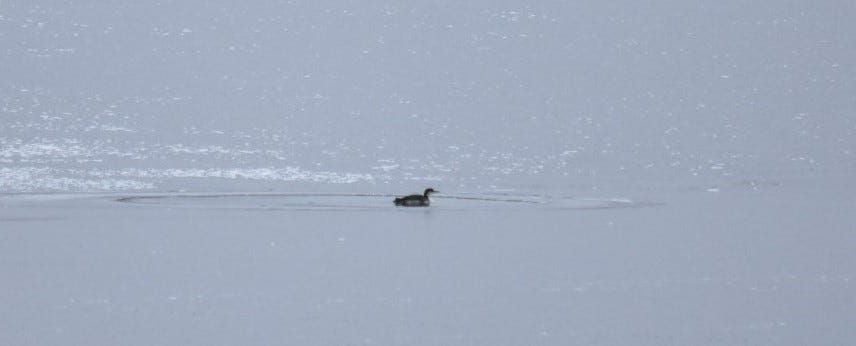
a juvenile common loon sits in a small hole of open water on icy cross lake.
The iced in loon on Cross Lake, MN that was rescued by the Crosslake Volunteer Fire Department on 12/11/21

The National Loon Center is making great strides toward its goal of being a home for nationally significant loon and freshwater research and education. While we are eager to continue moving forward in the coming year, we use these final days of 2021 to reflect on our progress and pause to express our gratitude to all who have pitched in. We’re excited to move into a new year knowing that our impact will grow quickly along with our developing footprint.

If you wish to contribute toward our efforts to protect loons and freshwater ecosystems in 2022, please consider making a tax-deductible donation to the National Loon Center: www.nationallooncenter.org/national-loon-center-foundation.

Happy New Year!
To Rescue A Loon

a juvenile common loon sits in a small opening of water on icy Cross Lake
Juvenile common loon “iced in” on Cross Lake, photo by National Loon Center

The end of another week at The Nest turned quite eventful with news of a loon in need of rescue. The Friday morning of December 10, the National Loon Center received a concerned call from a local wildlife photographer about what appeared to be an iced-in loon on Cross Lake. Promptly, two NLC staff went to confirm the situation. From the safety of the road, they spotted the bird not far from the shore. It was indeed a juvenile loon and appeared to be in a relatively small pool of open water surrounded by ice. The staff took pictures to report to Minnesota Department of Natural Resources (DNR) conservation officers as well as seek input from experienced rescuers of Loon Rescue in Wisconsin.

Unlike most other birds, loons have dense instead of hollow bones to better dive deep underwater for food. Because of this, they have a relatively heavy body weight compared to their wing size. For a loon to take off from the water they essentially need a “runway,” as an airplane does. This runway is quite long, anywhere from 100–600 feet in length. When a loon remains on the water as winter approaches instead of migrating south towards the Gulf of Mexico it becomes “iced in.” The reason a loon is unable to migrate can be difficult to determine without physically examining the bird. In many cases, it is likely there is some sort of injury preventing the bird from flying. A loon may become injured during aggressive territorial battles with other loons or, tragically, from collisions with boats and other watercraft. There is also the possibility of lead poisoning. When lead jigs and sinkers are lost in the lakes, they sink to the bottom and can be swallowed by loons that use pebbles to grind up the fish they eat. Lead poisoned loons become disoriented and may fly poorly, even crash landing onto the ground. Untreated, the loon will sadly die within two or three weeks.

With all of these factors in mind, a loon rescue yields many unique challenges. The common loon holds a special place in the hearts of many people across the nation. As leaders in loon preservation, the National Loon Center will act as it can to protect this iconic national symbol. In the case of a loon rescue on ice, the situation becomes dangerous quickly and should be done by experienced professionals with specialized equipment.

Careful consideration goes into the decision to rescue a loon. First, the area of water the loon is in must be small enough to safely net the loon without it diving away. Proper equipment is needed to transport the loon without causing additional stress or injury. Rescues and transports can be stressful, albeit necessary, experiences for wildlife. An animal that is injured and under extreme stress can unfortunately die during transport. Thus, the rescue should take place only if a safe capture seems likely and a rehabilitation center has confirmed it can take the loon. Additionally, trained wildlife professionals will examine the bird upon rescue to determine if it is a viable candidate for rehabilitation, or if it should be humanely euthanized.

A volunteer firefighter stands on the ice holding a net while a second firefighter is in the small hole of water attempting the loon rescue
Volunteer firefighters attempting a loon ice rescue on Cross Lake, photo from Crosslake Fire Department

Common loons are protected under the Migratory Bird Treaty Act of 1918 so rehabbers must have federal permits to admit and treat migratory birds. For the loon on Cross Lake, it was fortunately confirmed that the Wild and Free wildlife rehab center in Garrison, MN could take the loon. Given this confirmation and the relatively small pool of water the loon was in, a rescue seemed plausible. Thinking of the entire path the loon must travel, we also need to consider the likelihood of safe transport all the way to Florida or the Gulf of Mexico for loons that have missed the fall migration window.

The large size of the common loon, its dependence on open water, and its “captive feistiness” make it extremely difficult for them to survive for extended periods under human care. Loons that are weakened due to injury or stress are also susceptible to aspergillosis, a fungus-borne disease that affects the respiratory tract. Dr. Katie Barrato, a veterinarian with Garrison Animal Hospital and Wild and Free, who would treat the loon, has said that loons have been successfully flown to the Gulf before. If an injury is manageable or the levels of lead are low enough to be treated then the loon can be released. Unfortunately, Dr. Barrato stated the winter typically sees a higher number of unreleasable loons as those left behind frequently have a substantial injury preventing them from flying. In the cases of extreme injury, the most humane option can even be to euthanize the bird immediately. Though it is a difficult and sad reality to face, putting a bird through the stress and trauma of medical transport is not worth it if we know that bird cannot overcome its injury.

It is the heavy knowledge of these likelihoods that weighs into the decision to attempt a loon rescue. For a loon with an untreatable injury, the rescue takes it out of the natural food chain it is a part of. However, a loon with lead poisoning left on the lake can become a meal for bald eagles and subsequently poison our national bird. For the loon on Cross Lake the decision was ultimately made to rescue the loon and transport it to Wild and Free. To reiterate, ice rescues are dangerous and should not be attempted by the public. Fortunately, the Crosslake Volunteer Fire Department generously assisted in the rescue.

On Saturday, December 11, Crosslake’s fire chief coordinated an effort to have firefighters dressed in survival suits attempt to rescue the loon as a MN DNR conservation officer and local volunteer offered guidance and support from shore. After about half an hour, the firefighters successfully and safely got the loon into a net then into a suitable container to transport the loon. Loons are strong, heavy birds with sharp bills that make rescues even more tricky. Thankfully, the loon was able to be transported by volunteers to Dr. Barrato at Wild and Free.

MN DNR conservation officer, NLC volunteer, and two firefighters in survival suits stand along the icy shore of the lake behind the gray container holding the rescued loon.
MN DNR conservation officer, NLC volunteer, and Crosslake volunteer firefighters, photo from Crosslake Fire Department

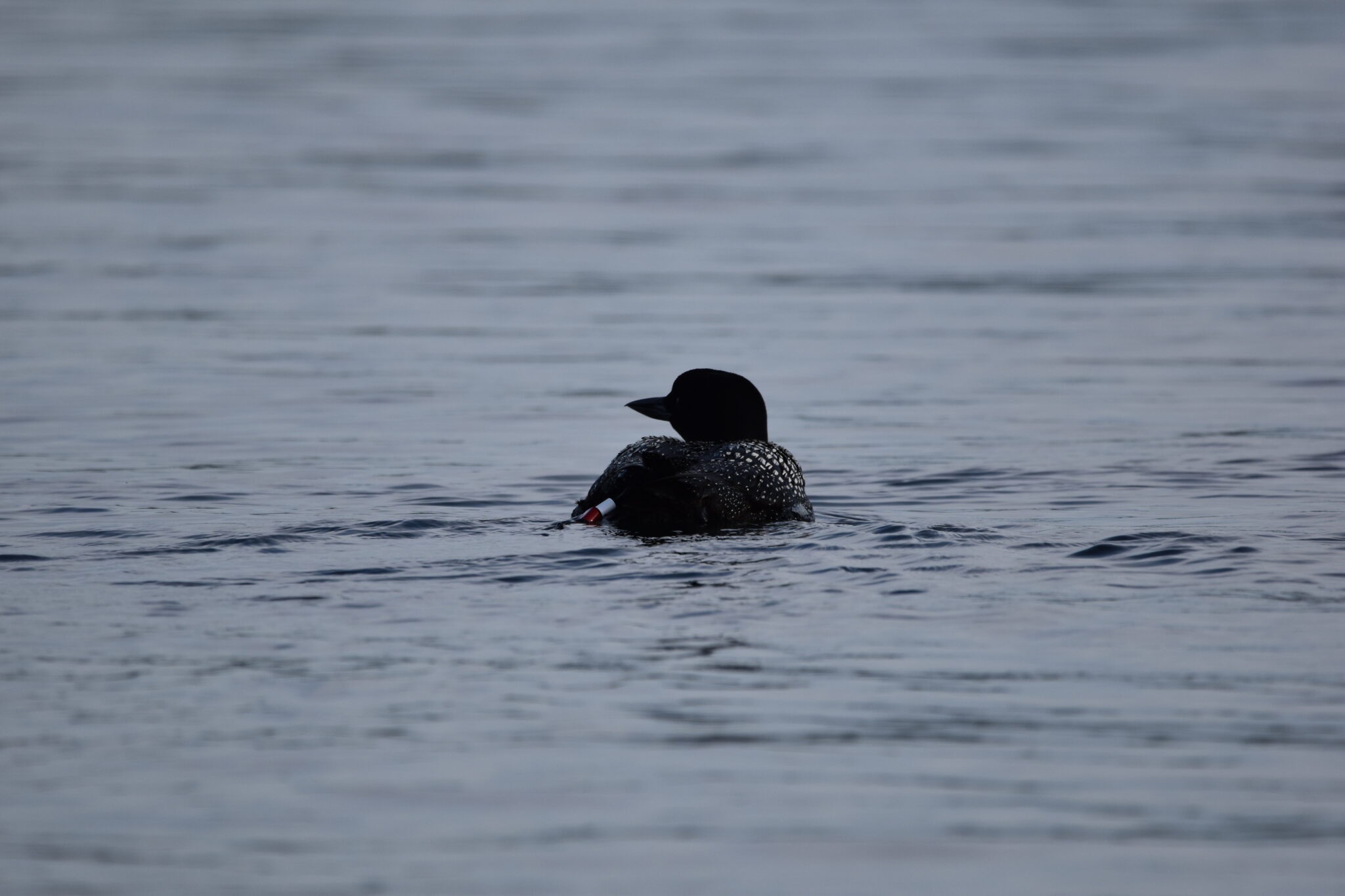
When the loon was pulled out of the water the team immediately noticed the colored bands on its legs. During the 2021 nesting season, the National Loon Center collaborated on a research study of the loon population in Crow Wing County. Non-intrusive colored bands placed on the loons help track individuals throughout their long lives, monitor population dynamics, and estimate annual survival rates. Banding loons is one of many invaluable methods biologists use to study their population and behavioral ecology. Because of the unique set of bands on the loon rescued from Cross Lake we knew this was a male juvenile banded as a chick on the night of July 17th on Rush Lake. According to partner biologists, this male was the biggest juvenile observed in the study this year.

A common loon sits on the lake with one of its back legs sticking out of the water showing a color red and orange band along with a silver federal band.
A common loon with color bands on its leg that was banded in the summer of 2021, photo from National Loon Center

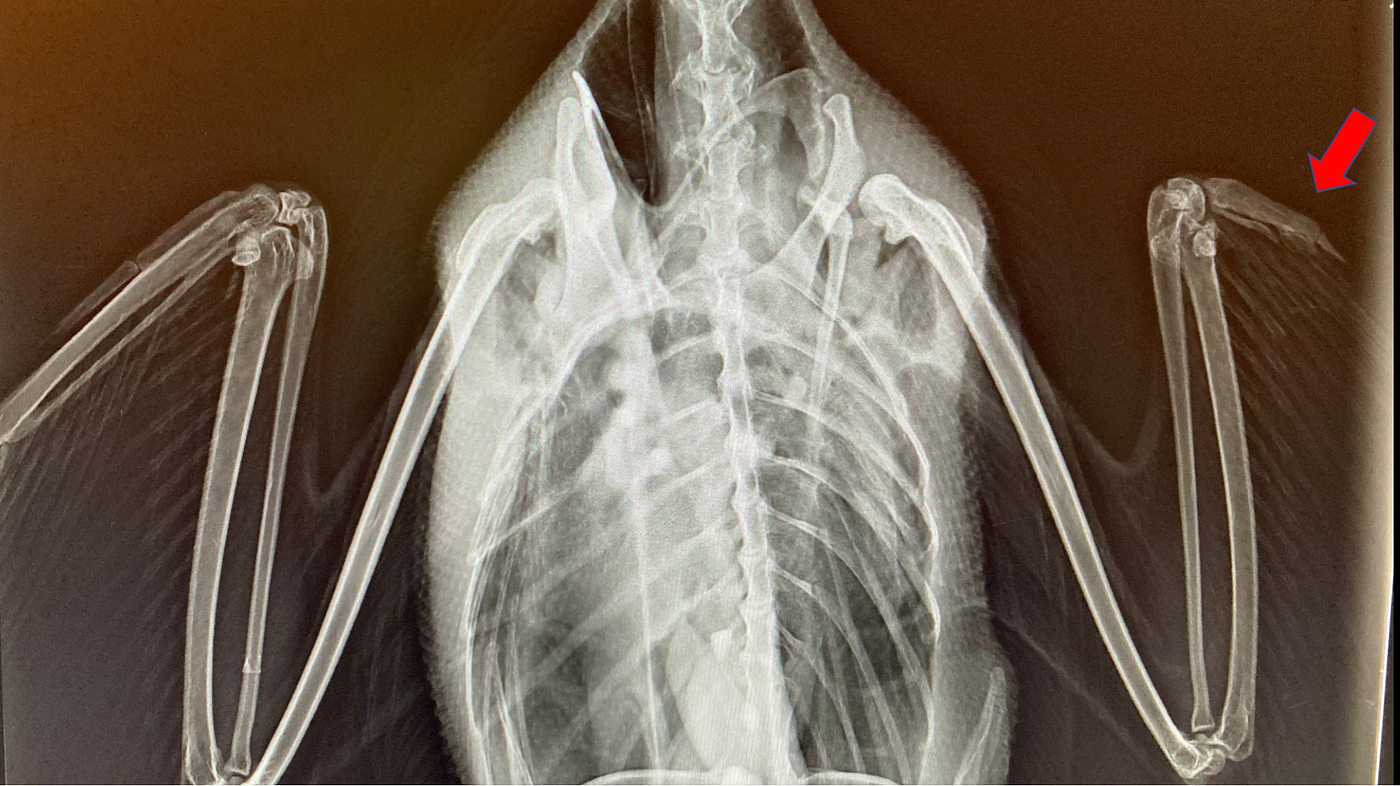
Unfortunately, this loon’s fate was not the happy ending we would have hoped for. Dr. Barrato determined that he had serious, untreatable wing trauma. It appeared the end of his wing was sheared off by a motorboat or jet ski propeller. It’s possible this could have been an old injury from a predator though the nature of the injury seems more likely to be a boat propeller. The loon’s blood was also tested for lead and found not to have a high concentration. Ultimately, without the ability to fly the loon’s survival is unlikely and the most humane outcome for him was determined to be euthanasia. This is a sad loss for the loon population and for all those who marvel at the sight of loons on their lakes.

an x-ray of the chest and wings of the rescued common loon with a red arrow pointing at the wing injury
An x-ray of the loon shows where the wing was likely hit by a boat propeller. The wing is sheared at the metacarpal bone. Photo by Wild and Free rehab center.

The world is a daunting place for young loons. Many of us watch in awe as loon families grace our lakes, feeding and tending to their young. What we don’t always see is the many dangers the vulnerable chicks face from various predators and other threats. Unfortunately, there is a high mortality rate of loons during their first years of life. When they do return to breeding grounds, they may spend two years on average searching for a territory to settle. Territorial battles among male loons can be extremely aggressive, even fatal.

The loon found on Cross Lake seemed to have good prospects of survival as it was the biggest chick banded during the summer and was already fairly independent. Sadly, even if a loon is a good, healthy size to defend itself from predators and other loons, it is no match for a large watercraft. May this be a somber reminder to us that as we recreate on our lakes we must always keep a watchful eye out for the loon families that share these cherished waters.

The National Loon Center is grateful to continue to work with organizations such as Wildlife Rehabilitation & Release and the University of Minnesota Raptor Center’s Partners for Wildlife program as well as DNR permitted wildlife rehabilitators in statewide wildlife rescue efforts.

For more information about wildlife rehabilitation please visit:
Wildlife Rehabilitation & Release www.wrr-mn.org
Partners for Wildlife www.raptor.umn.edu/partnersforwildlife

If you wish to contribute toward the protections of loons and loon habitat, please consider making a tax-deductible donation to the National Loon Center. www.nationallooncenter.org/national-loon-center-foundation

To support the rehabilitation and release efforts of Wild and Free in Garrison, MN, please visit: www.wildandfree.org

>