
Spring: A Time to Landscape for Loons
By Baylee Bessingpas
After a long and cold Minnesota winter, the season of growth and a return to life is finally in sight – spring has sprung! Before we know it, a close look at the worn browns of last season’s fallen leaves and dried up grasses may wield a sighting of the fresh green shoots of spring ephemeral wildflowers like skunk cabbage, bloodroot, and hepaticas. The lakes and wetlands of the Northwoods are beginning to thaw, and we are already seeing birds like Trumpeter Swans and Great Blue Herons return to their summer territories in preparation for the breeding season. Minnesota’s beloved Common Loons aren’t far behind, and the males will soon arrive to begin their annual campaigns to claim the perfect territory!
The changes we observe in nature this time of year are reflected in our own human activities as we begin to spend more time outdoors enjoying the longer days, work on spring cleaning projects, and make plans for the summer ahead. Early spring is the perfect time to plan, prepare, and begin planting for garden projects! No matter the space or budget you are working with, there are ways for your outdoor space to serve your family’s needs while improving water quality and providing habitat for wildlife. At the National Loon Center, our Share Our Shoreline education initiative seeks to empower the public to responsibly enjoy our incredible lakes while sharing them with loons and preserving their health for generations to come. Landscaping for Loons is a key component of Share Our Shoreline that focuses on ways to landscape and maintain shorelines for minimizing pollution and maximizing quality habitat for fish spawning and loon nesting.
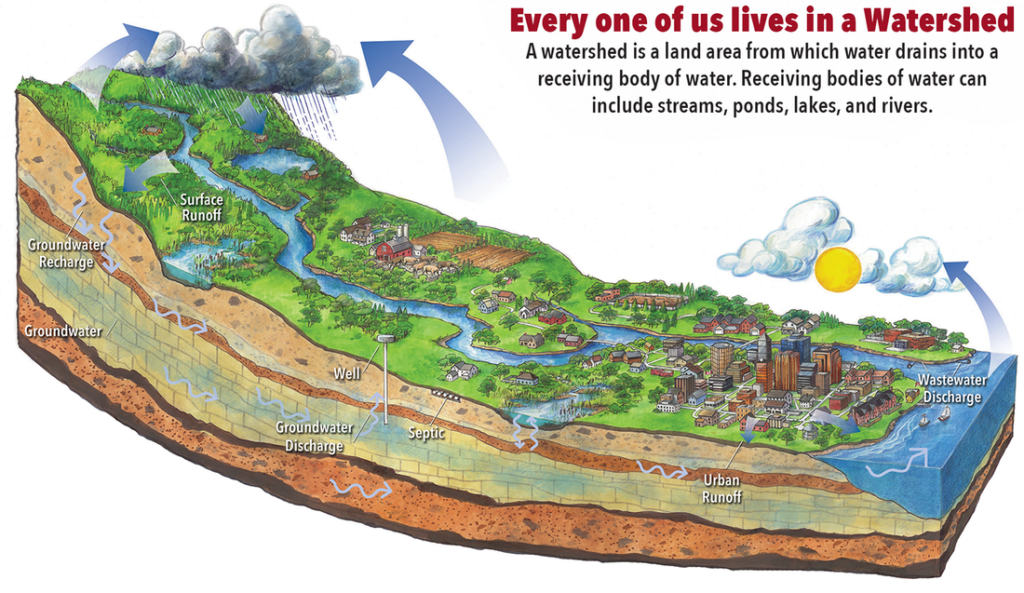
Common Loons are known to be an indicator species – a species whose presence, absence, or abundance reflects the condition of its environment. Indicator species can be used as a proxy for ecosystem health, and their population trends serve as an early warning system when something is going wrong with the ecosystem. Loons are visual predators that need clear water conditions to successfully catch fish – algae or sediment muddying the water make it very difficult for loons to catch enough food. Loons are top predators – they eat a lot of fish, which eat a lot of smaller fish, which eat a lot of macroinvertebrates… changes to any part of the food web will ultimately affect a loon’s food supply. Loons are long lived – every year they spend in a contaminated body of water, they will continue to accumulate those toxins at higher and higher levels. A healthy loon population depends on healthy lake ecosystems, which in turn depend on healthy watersheds. The actions we take inland from our waterways end up trickling back – both figuratively and literally – into our lakes and rivers. The good news? This means that we have an opportunity to make positive changes for loons even from afar!
Landscaping for Loons on Shoreline Property
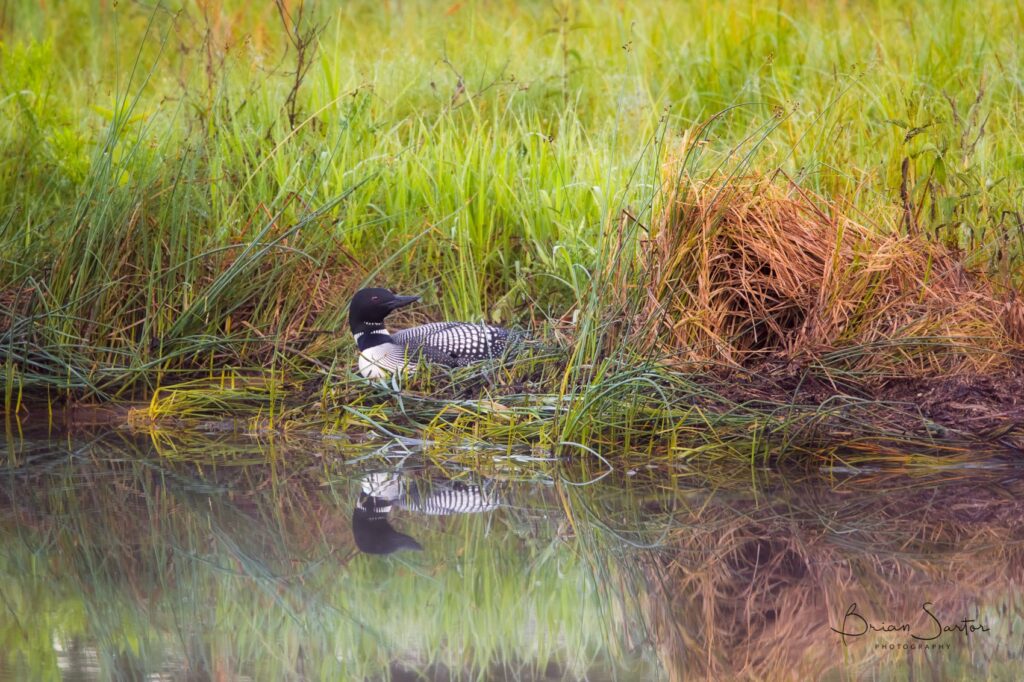
On a shoreline property, your yard holds a very special place as the point of transition between land and water! The most obvious connection between loons and shorelines is that loons prefer to nest on vegetated natural shorelines. The ideal nesting site for a loon is a vegetated shoreline with grassy cover, on an island or in a bay or inlet sheltered from wind and waves, and near good fishing grounds. There are many nest predators loons seek shelter from, including mink, raccoons, gulls, and ravens – vegetated cover helps protect the nest from these hungry opportunists. If a shoreline is overrun by invasive plant species like purple loosestrife or phragmites, the shoreline can become too densely vegetated to support a nest. It is all about finding a balance of preferred conditions to give the eggs the best chance at hatching!
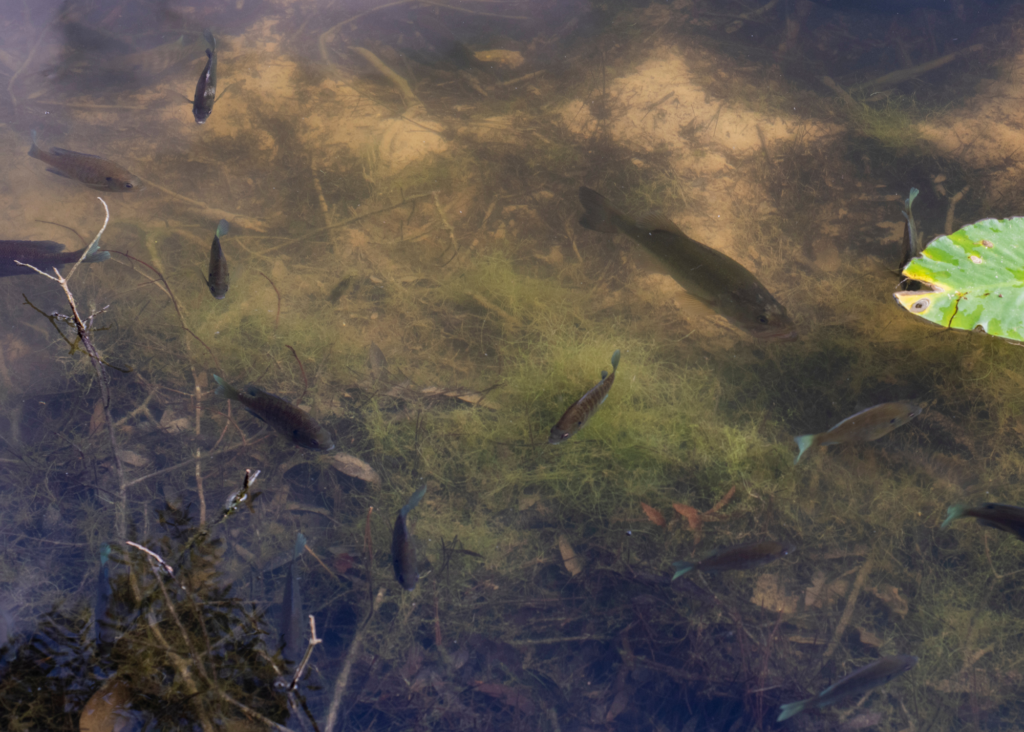
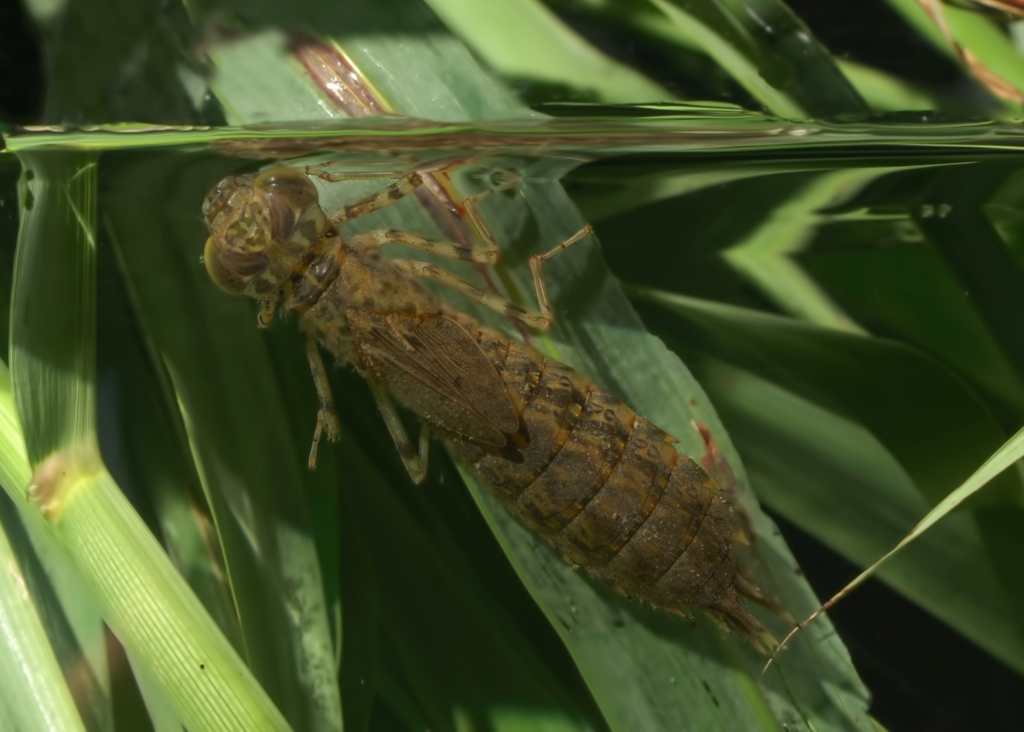
Natural shorelines with robust communities of emergent, submerged, and floating plants provide critical habitat for animals occupying lower levels of the food chain! The littoral zone of a lake is the shallow, nearshore zone where the majority of the vegetation found in a lake grows, and plays an important role in the life cycle of nearly every lake-dwelling animal species. Fish and amphibians spawn here, and aquatic macroinvertebrates (like the dragonfly nymph pictured here) rely on the littoral zone for food and shelter. Many of the fish that loons prey on during the summer live near the shore, and eat the other small fish and creatures found here. When shorelines are cleared of native vegetation both above and below the water line, there is a lack of food and habitat to support these small creatures that form the base of the food chain.
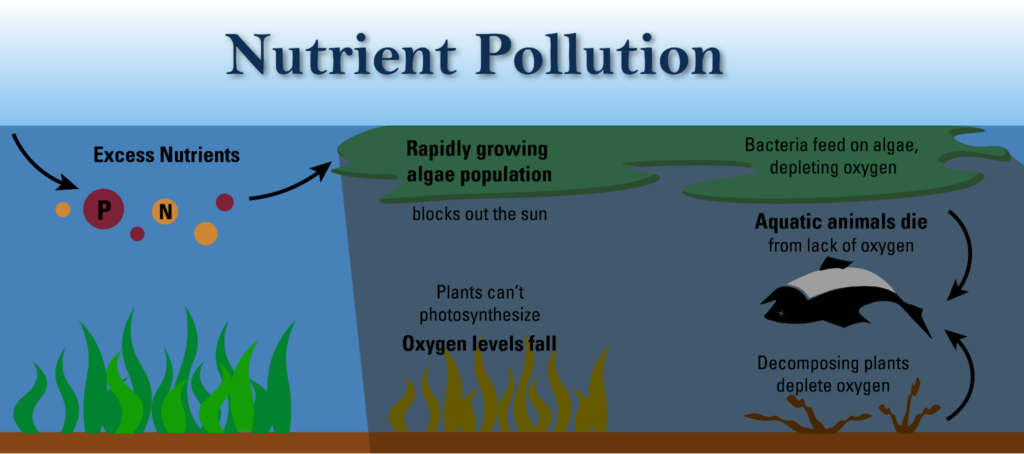
Finally, a vegetated shoreline serves as a filter that protects the water from pollutants and a stabilizer that helps keep the earth in place instead of eroding into the water. Our lakes are affected by many chemicals that are applied to yards, roads, farms, and more. Chloride is found in road de-icing salts and water softener residues, and is toxic to aquatic life when it enters waterways. It also disrupts the natural lake mixing process, leading to further ecological ramifications. Phosphates and nitrates are both naturally occurring nutrients necessary for the growth of plants and wildlife – however, when these compounds become too concentrated in the water, they lead to harmful algal blooms that result in a cascade of detrimental effects on the lake ecosystem. This accumulation of excess nutrients is called eutrophication. The main source of nutrient pollution in most waterways is fertilizer used in yards and on agricultural lands, but other sources include leakage from septic tanks, waste from pets and livestock, industrial waste, and lawn waste like grass clippings.
Native plants that naturally occur at the water’s edge are equipped with roots that run deep into the soil, compared to lawn grasses that form shallow root systems. These root systems trap nutrients and other pollutants before they can enter the water, keeping lakes clean and healthy. They also stabilize the shoreline, combating erosion to keep the sediment out of the water and helping you retain your property square footage! A buffer zone is an area between your lawn and your shoreline that is maintained without mowing, and planted with native species that help protect your lake. These native plants require less maintenance from property owners, protect water quality, and even provide habitat for native pollinator species – it’s a win for everyone!
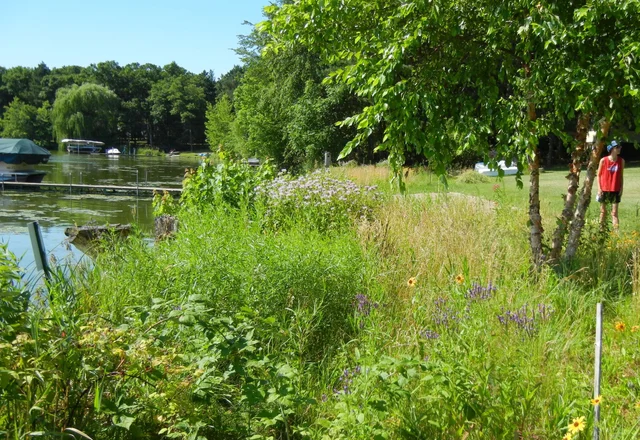
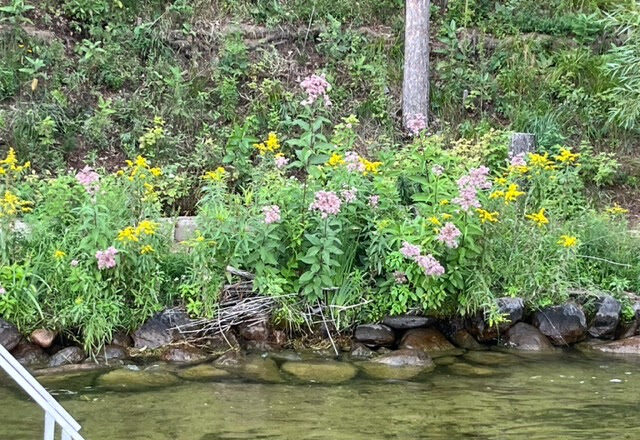
Every property is unique, and there is not a one size fits all solution for every shoreline in every community. However, following these guidelines is a great place to start on your journey to making your shoreline work for you and the health of your lake! Allowing the existing native plants on your shoreline to grow and supplementing them with new native plantings is a powerful tool to create a barrier and filter for pollutants entering the lake, especially within a no-mow buffer zone right along the shore. While maintaining your property, being mindful of how and where you apply fertilizers, pesticides, and de-icing salts helps reduce the load of pollutants that could runoff into the lake. Keeping up with the maintenance of your septic system and pumping it on a regular schedule helps defend against unexpected leaks into groundwater or the lake. Considering balance when installing rocky rip-rap or sand beaches goes a long way – while many lake residents enjoy these features, they offer no filtration from runoff, and keeping parts of your shoreline vegetated will help preserve the lake to be enjoyed by the generations to come. In the Northwoods, the lakes are our way of life and it is a privilege to enjoy them – however, the fish we catch, the loons that call through the summer months, and the clear inviting waters that beckon us to take a swim can only retain their splendor if we care for and nurture them as they have nurtured us.
Landscaping for Loons Off the Shoreline
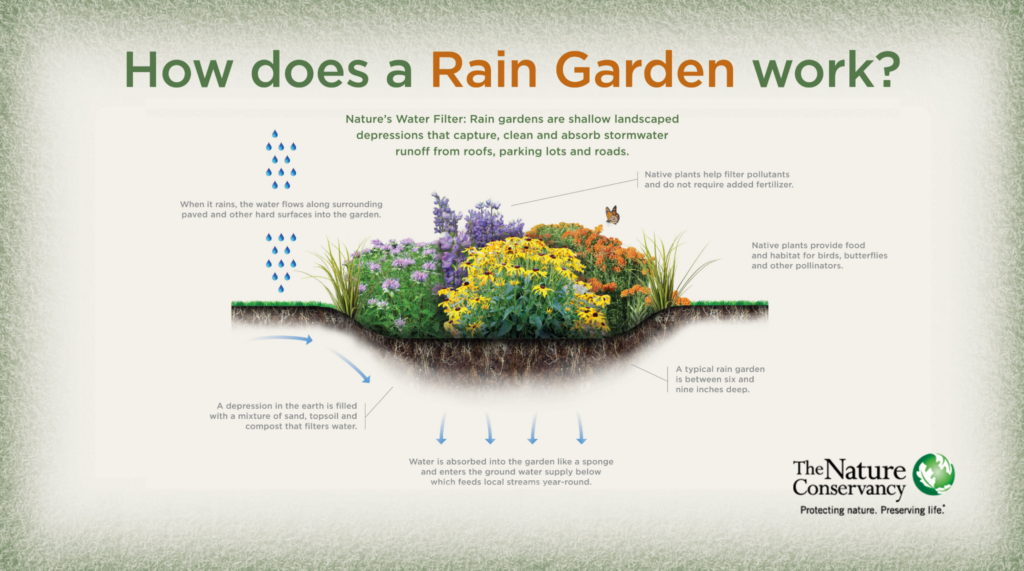
For lovers of lakes and wildlife that don’t live right on the shoreline, there are still steps we can take to keep our watersheds clean and vibrant! Many of the maintenance principles outlined for shoreline properties still apply – mindfulness around the application of chemicals, regular maintenance and pumping of septic systems, and maintaining native plant communities that provide soil stability and wildlife habitat will contribute to the health of the whole watershed! Rain gardens can be planted in shallow depressions where water naturally collects in a yard. They are planted with a mix of wet and dry tolerant species to thrive regardless of the precipitation that falls in a season. During periods of heavy rain, these gardens help control flooding and filter pollutants from stormwater runoff before it infiltrates into the groundwater supply. By capturing runoff near where it falls, rain gardens also help reduce the load of stormwater runoff that flows unfiltered into bodies of water or into storm drains, sheltering our waterways from pollution.
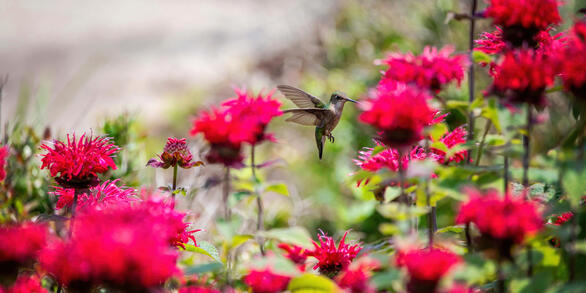
Pollinator gardens are planted with a mix of species that bloom at different times throughout the growing season, providing stable food and habitat for the small wildlife that are critical to ecosystem health.
In the next Share Our Shoreline blog, we will be featuring an interview with local shoreline restoration expert Laura Mendoza Romero of Great Roots LLC and diving deeper into the benefits of restored shorelines and what it takes to get started!
Learn More
Homegrown National Park
Homegrown National Park is a movement co-founded by entomologist and conservationist Dr. Doug Tallamy with the goal of increasing backyard biodiversity across the nation. This website has a wealth of information on the benefits of planting native and how to choose the best native plants for your yard.
Soil & Water Conservation Districts
Your local Soil & Water Conservation District is a great resource for ecological restorations and native plantings of all types – they may have grant funding available to help you achieve your goals!
Whitefish Area Property Owner’s Association (WAPOA)
Your local lake association will have informational and possibly financial resources available to you for supporting a healthy shoreline.
MN DNR Restore Your Shore
Information about native plants and how to select the best native plants for your site and where to get started on restorations
Minnesota Lakes and Rivers
Case studies and examples of shoreline restoration projects in Minnesota
Great Roots LLC
Shoreline Restoration services for the Brainerd Lakes Area
Prairie Restorations Inc
Ecological restoration services across Minnesota